Biology is full of surprises. Behind every living organism lies a network of hidden mechanisms, remarkable adaptations, and unexpected oddities that challenge our understanding of life. Whether we look deep inside our own bodies or across the vast diversity of the natural world, we find countless facts that seem stranger than fiction.
In this article, we’ll dive into biology trivia that’s as intriguing as it is true. From invisible human light to microbial universes and stellar origins, these seven sections highlight some of the most mind-bending biological facts known to science. Perfect for curious minds, students, or anyone who enjoys learning something new, this is biology trivia that will stay with you.
The Glow We Can’t See Bioluminescence in Humans & Other Creatures
One of the most magical pieces of biology trivia is the fact that human bodies actually emit a faint light. Using ultra-sensitive cameras, researchers have detected weak bioluminescent emissions from the skin, caused by metabolic reactions within cells.
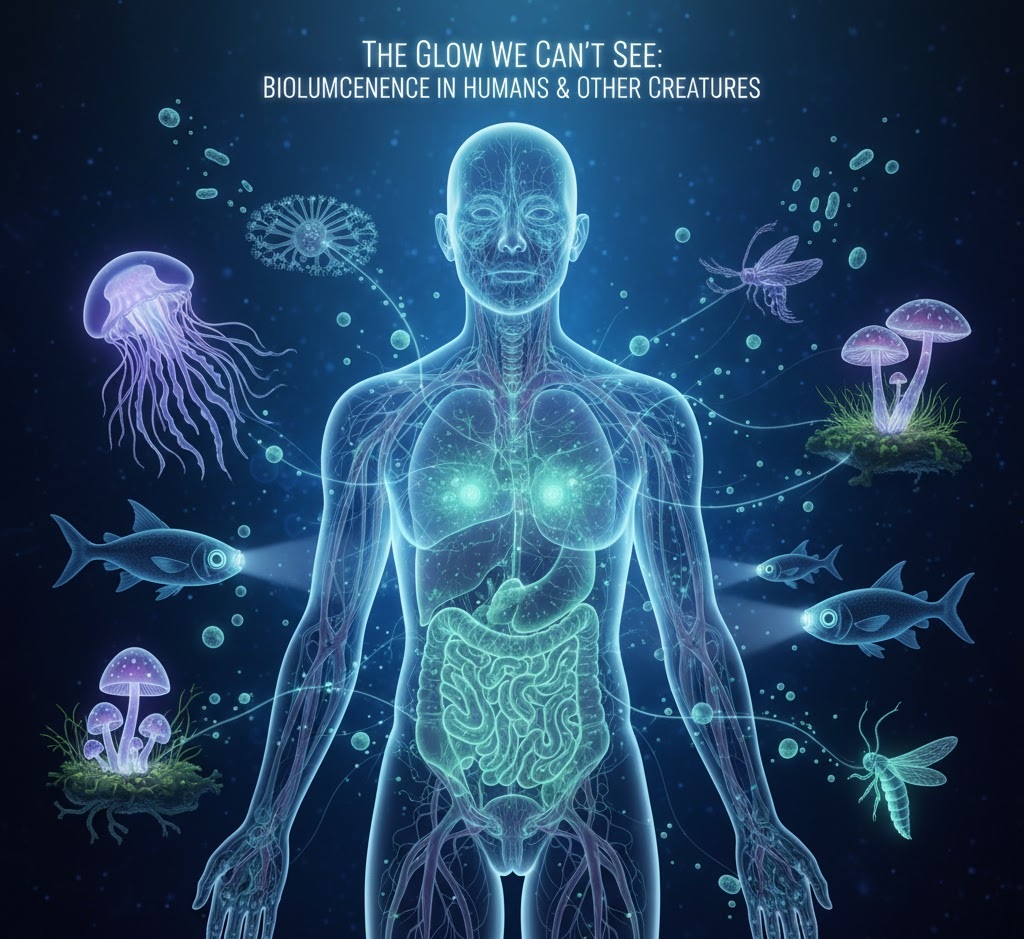
This glow is far too weak for our eyes to detect about 1,000 times dimmer than what we can perceive. Interestingly, this invisible glow follows a daily rhythm. It reaches its peak in the late afternoon and drops at night, aligning with metabolic cycles and oxidative processes.
Humans aren’t the only glowing organisms, of course: fireflies, certain fungi, some jellyfish, and deep-sea fish have spectacular bioluminescence that plays roles in communication, defense, or attracting prey. The idea that our bodies share this phenomenon even in a subtle way is a powerful reminder of how interconnected we are with other life forms.
Microbial Majority: You Are More Bacteria Than Human Cells
Here’s a mind-twisting bit of biology trivia: your body is home to more microbial cells than human cells. For every one of your human cells, there are roughly 1.3 bacterial or microbial cells living in and on you. This collective is known as the microbiome, and it plays essential roles in digestion, immunity, vitamin production, and even mental health.
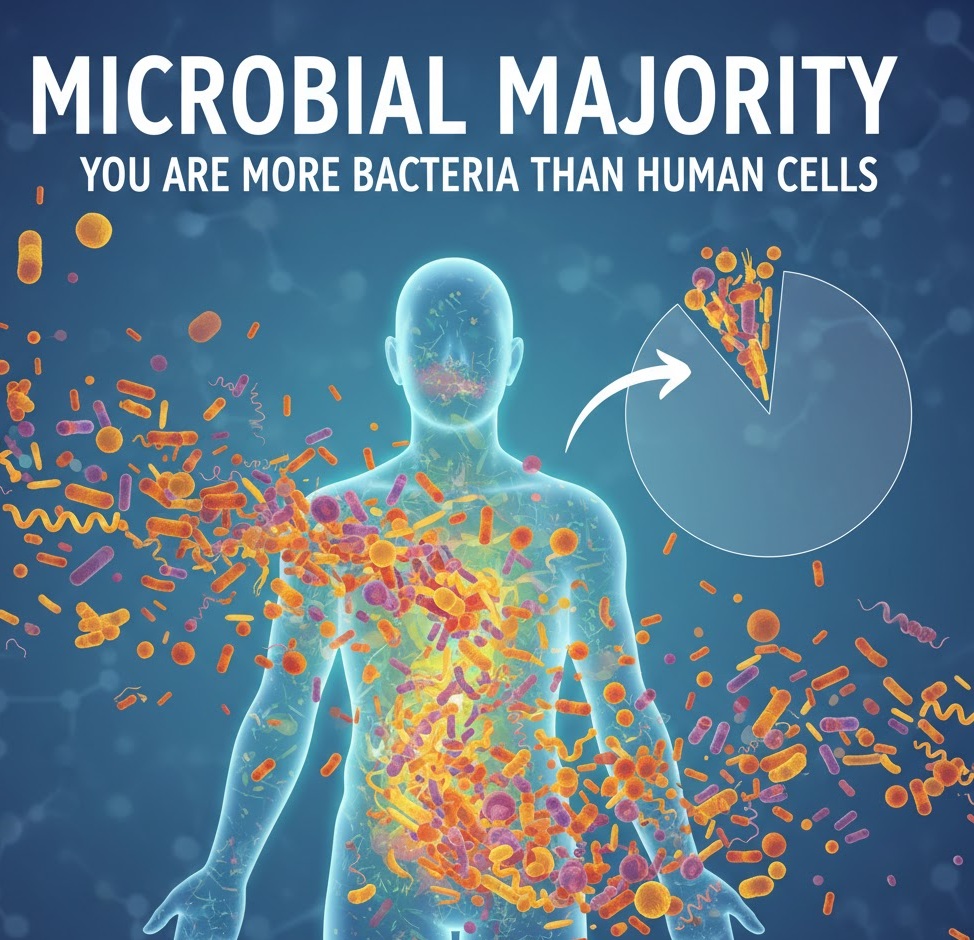
Most of these microbes live in your gut, forming a dense ecosystem that interacts with your body in subtle and powerful ways. Some help break down food, others produce vital compounds, and many help regulate your immune response.
Fascinatingly, imbalances in the microbiome have been linked to conditions like obesity, depression, and autoimmune disorders. Far from being “germs” to avoid, many microbes are partners in survival. Understanding the microbiome changes how we view what it means to be “human.”
Bones Stronger Than Steel
Another incredible fact in the world of biology trivia involves the strength of our skeleton. Ounce for ounce, human bone is stronger than steel. A cubic inch of bone can withstand nearly 19,000 pounds (about 8,600 kg) of pressure. This extraordinary combination of lightness, resilience, and strength comes from bone’s composite structure.
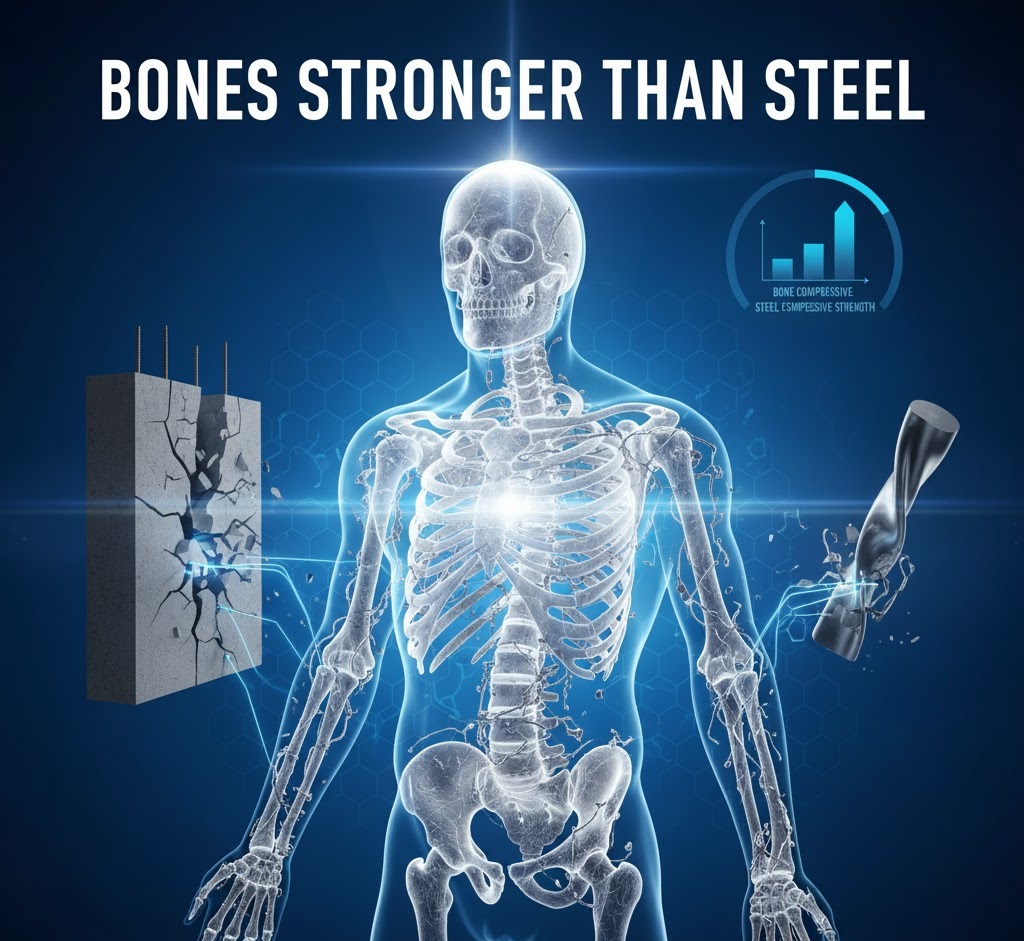
Collagen provides flexibility, while minerals like calcium phosphate give it hardness and rigidity. Bone isn’t static it’s a living tissue that constantly remodels itself.
Specialized cells called osteoclasts break down old bone, while osteoblasts build new material, ensuring strength and repair throughout your life. Over about a decade, your entire skeleton is replaced. This dynamic regeneration is what allows bones to heal from injuries and adapt to physical stress. It’s a powerful reminder that the structures holding us upright are far from inert they’re engineering marvels built by nature.
Lightning Messages The Speed of Nerve Impulses
Among the most striking pieces of biology trivia is the sheer speed of nerve signals. Electrical impulses travel through your nervous system at speeds up to 268 miles per hour (about 430 km/h). This rapid communication allows your brain and body to work in harmony, whether it’s pulling your hand away from a hot stove in milliseconds or coordinating the intricate movements of speech. Nerves work through electrochemical signals. When a stimulus occurs, ions move across neuron membranes, triggering an action potential that races down the nerve fiber.
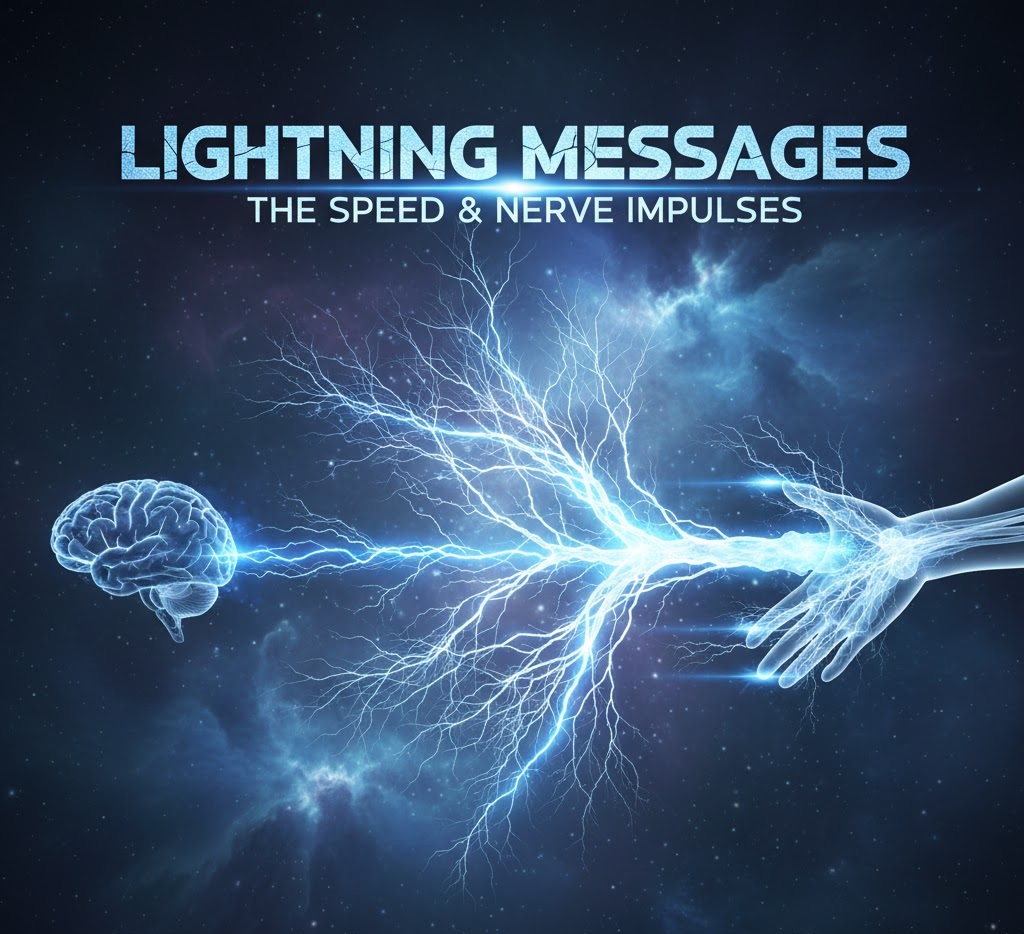
Myelin sheaths fatty coverings on many neurons act like insulation, boosting the transmission speed. This efficiency is why reflexes feel instantaneous. It’s mind-blowing to think that beneath every action, thought, or sensation is a lightning-fast electrical orchestra happening in real time.
Stardust Origins The Cosmic Chemistry of Life
Perhaps the most poetic item in biology trivia is this: your body is made of stardust. The carbon in your cells, the oxygen you breathe, the iron in your blood all were forged in the cores of stars or during supernova explosions billions of years ago. When those stars died, they scattered their elements across the galaxy, eventually coalescing into new solar systems, planets, and life.
Every atom in your body carries a cosmic history. This connection between biology and astronomy reveals how deeply life is rooted in the universe’s grand story. You’re not just living on Earth; you are, in a very real sense, made of the universe. This fact bridges science and wonder, showing that biology isn’t isolated it’s woven into cosmic events.
The Language of DNA Life’s Hidden Code
DNA is often described as the “blueprint of life,” but that metaphor barely scratches the surface. Inside nearly every cell of your body is a molecule containing three billion base pairs that encode everything about how you’re built and function. If unwound, the DNA in a single human cell would stretch about two meters in length. Multiply that by all your cells, and the total DNA in your body could reach the Sun and back more than 600 times.
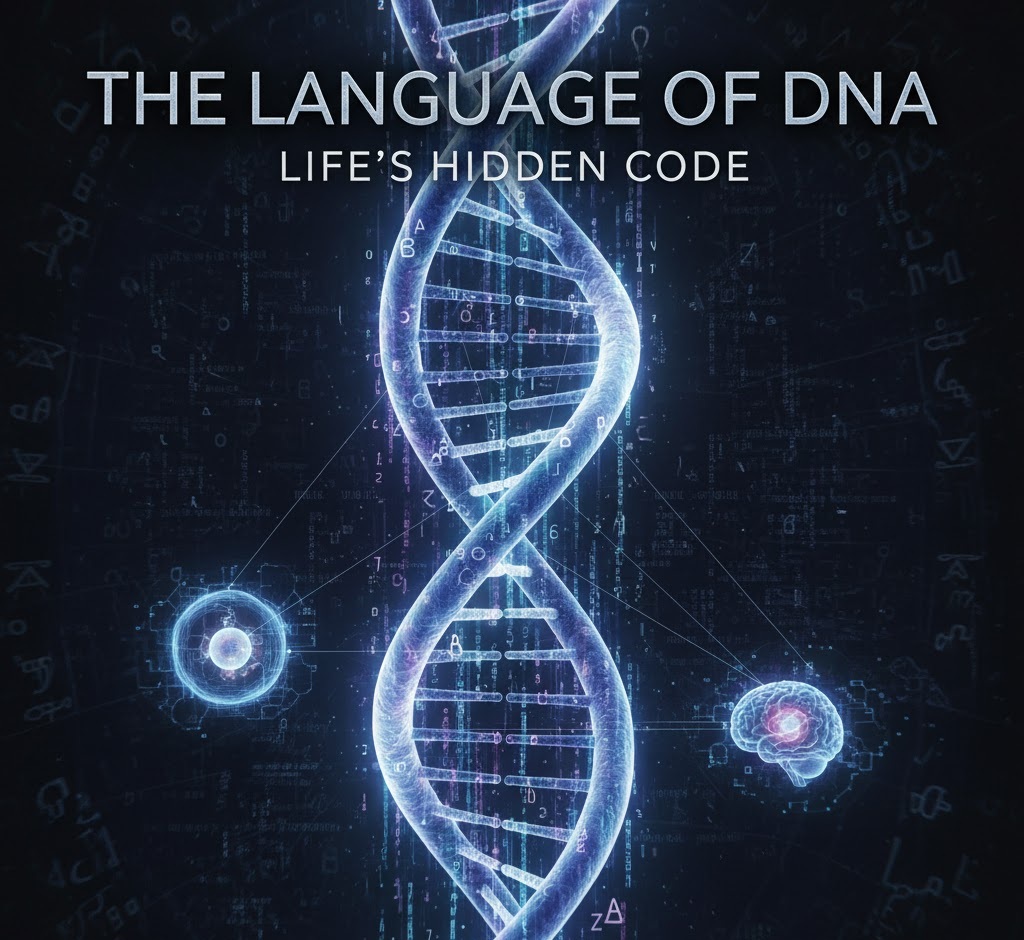
One of the most astonishing pieces of biology trivia is how efficiently DNA stores information. Just one gram of DNA could theoretically hold over 200 petabytes of data far surpassing any digital storage device humans have ever built. This molecular language, shared by all life on Earth, is both simple and infinitely complex, proof of nature’s elegance.
Extremophiles Life at the Edge of the Possible
When we think of life, we usually picture mild, Earth-like environments. But biology trivia teaches us that life can thrive in places once thought impossible: boiling volcanic vents, frozen glaciers, acidic lakes, deep ocean trenches, even radioactive waste. These incredible organisms are called extremophiles, and they expand our understanding of what life can be.
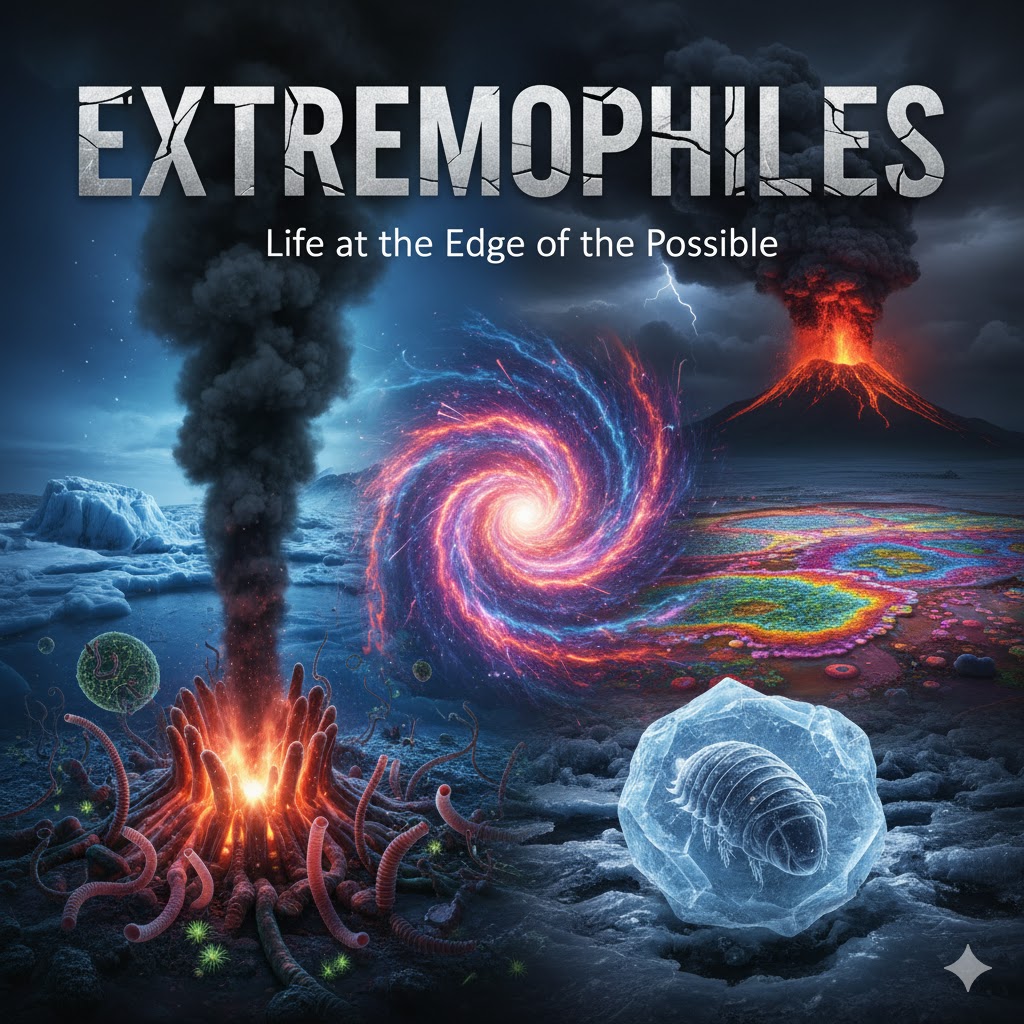
Some bacteria live in scalding hydrothermal vents at temperatures above boiling; others thrive in salt levels higher than the Dead Sea. Certain species can survive intense radiation or the vacuum of space. Studying extremophiles has revolutionized fields like astrobiology, as they provide clues about where life might exist elsewhere in the universe. These resilient organisms prove that life is adaptable, creative, and often far stranger than we imagine.
The Endless Joy of Biology Trivia
From glowing skin to cosmic origins, these seven sections offer just a glimpse into the endless world of biology trivia. Each fact reflects life’s complexity, adaptability, and interconnectedness. Biology is not just a subject it’s the story of everything living, including us.
Whether you’re sharing trivia at a party, sparking curiosity in a classroom, or simply expanding your own understanding, these insights remind us how astonishing the natural world is. And the best part? We’ve only scratched the surface. Life’s most fascinating secrets are still waiting to be uncovered.